





Unveiling the Vikram Samvat: A Timeless Tradition
Have you ever wondered how time is measured in Hinduism beyond the Gregorian calendar? It's something I've pondered for years, especially when advising families on auspicious dates. Well, let's delve into the heart of the Vikram Samvat, the spiritual and cultural calendar that has shaped Indian life for centuries. This isn't just a calendar; it's a living connection to our traditions, festivals, and spiritual practices. Think of the Panchang as your cosmic GPS, and the Vikram Samvat is the map it uses!
What is Vikram Samvat?
The Vikram Samvat, also known as the Vikrami calendar, is one of the two prominent Hindu calendars used in India, the other being the Shalivahan Shaka calendar. Interestingly, it's more prevalent in North India, while the Shaka calendar holds sway in the South. The Vikram Samvat is a lunisolar calendar, meaning it's based on both the lunar cycle and the solar year. This blend ensures that our festivals and rituals align with the seasons and the Moon's phases. It’s pretty amazing, isn’t it? After years of personal practice, I've noticed how harmonizing with these cycles deeply enriches the intention behind our spiritual observances.
The Royal Origin: King Vikramaditya and the Saka Era
The Legend of King Vikramaditya
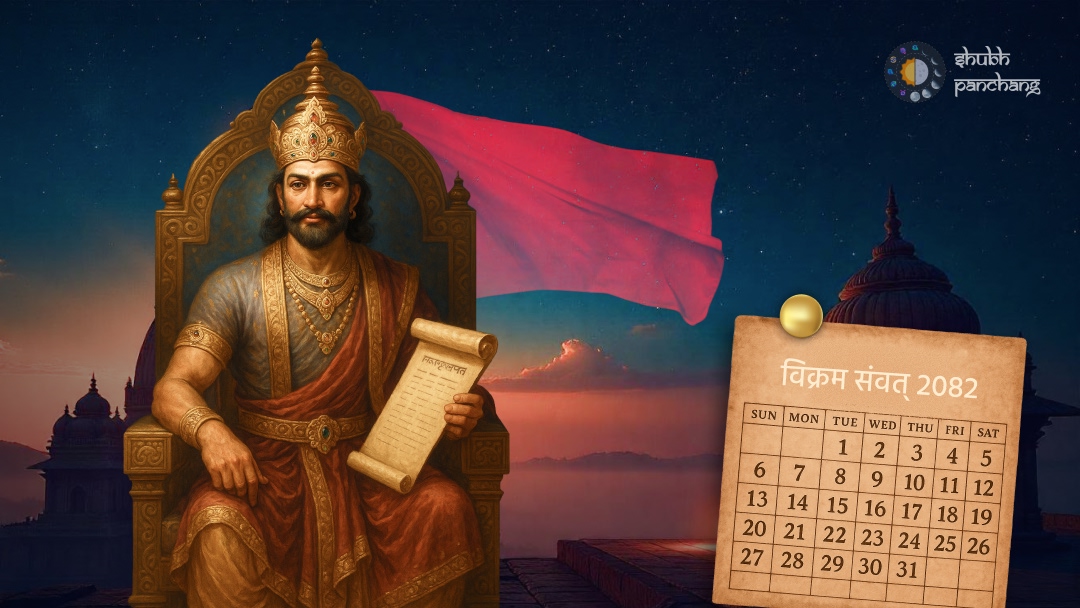
The origin of the Vikram Samvat is shrouded in legend, attributed to the legendary King Vikramaditya of Ujjain. Popular belief says that King Vikramaditya defeated the Saka rulers in 56 BCE and, to commemorate this victory, initiated a new era, the Vikram Samvat. Now, history can be a bit murky, and pinpointing the exact historical Vikramaditya is still debated among scholars.
The Mystery of Vikramaditya
Some historians propose that Vikramaditya might be a composite figure, a culmination of various heroic rulers. But regardless of the historical accuracy, the legend of Vikramaditya embodies the ideals of a righteous and just ruler. This narrative is powerful – it represents the triumph of good over evil, and the establishment of a new, auspicious beginning. But what if I told you that the spirit of Vikramaditya lives on every time we embrace the values of justice and righteousness? It's something to consider!
Vikram Samvat in Hindu Rituals and Festivals
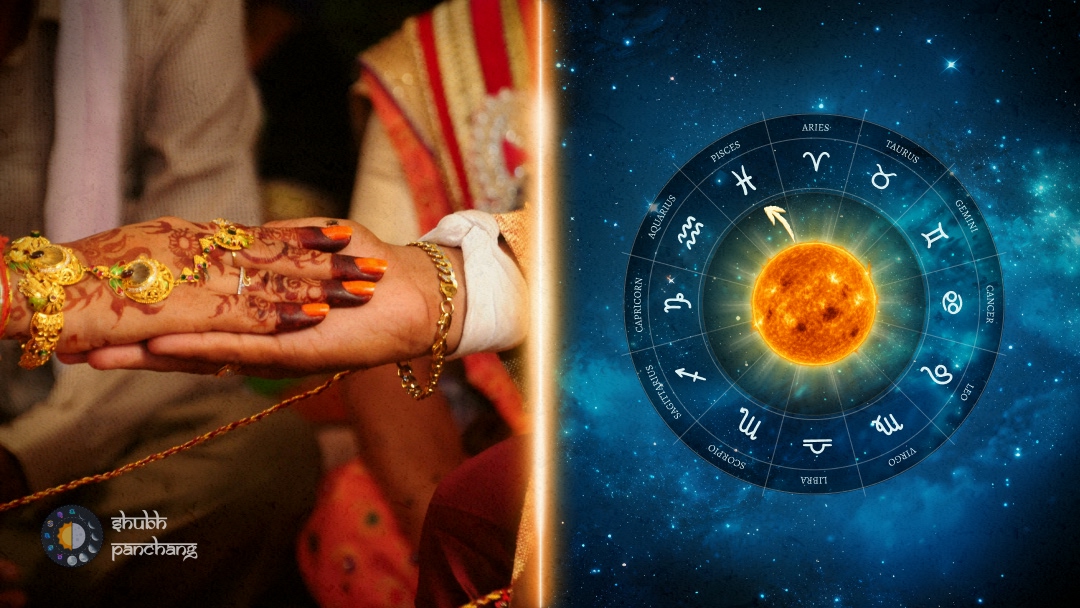
The Vikram Samvat is not just a calendar for tracking dates; it's interwoven with the very fabric of Hindu rituals and festivals. Think about it: almost all major Hindu festivals, from Diwali to Holi, are determined based on the Vikram Samvat. The dates for weddings, housewarmings (griha pravesh), and other auspicious ceremonies are also calculated using this calendar. For years, families have consulted astrologers like myself, using the Vikram Samvat to ensure that significant life events are aligned with favorable cosmic energies. The accuracy is often astonishing, if I do say so myself!
The Spiritual Significance
The Spiritual Significance
Here’s the thing: aligning our activities with the Vikram Samvat is believed to bring prosperity and well-being. Each day, tithi (lunar day), and month within the calendar has its own unique energy and significance. By understanding these influences, we can make informed decisions about when to start new ventures, perform specific rituals, or simply focus on particular spiritual practices. I've personally noticed that individuals who consciously observe the Vikram Samvat experience a deeper connection to their cultural roots and a greater sense of inner peace. It is about honoring time, tradition, and the cosmic dance.
Lunar Months, Solar Years, and the Panchang Connection
The Vikram Samvat operates on a lunisolar system, meaning it harmonizes both lunar and solar cycles.
Lunar Months and Solar Years
A year in the Vikram Samvat is divided into 12 lunar months, each starting with the new moon (Amavasya) or the full moon (Purnima), depending on the regional tradition. These lunar months are named Chaitra, Vaishakha, Jyeshtha, Ashadha, Shravana, Bhadrapada, Ashwina, Kartika, Margashirsha, Pausha, Magha, and Phalguna. To keep the lunar calendar aligned with the solar year, an extra month, called Adhika Maas or Purushottam Maas, is added approximately every three years.
The Role of Adhika Maas
This ensures that the festivals continue to occur in their appropriate seasons. This adjustment shows the wisdom embedded in the system – a constant striving for balance and alignment with nature. I always tell my clients, 'Understanding the Adhika Maas is like understanding the breath in yoga; it brings equilibrium.’
The Panchang: Your Daily Guide
Now, let’s tie this all back to the Panchang. The Panchang is a Hindu almanac that provides detailed information about the daily astrological influences based on the Vikram Samvat. It incorporates five key elements: Tithi (lunar day), Nakshatra (lunar mansion), Yoga (auspicious combination), Karana (half lunar day), and Vara (weekday). Wait until you discover how these elements intertwine!
- Tithi : The lunar day, influencing the overall energy of the day.
- Nakshatra : The constellation the Moon occupies, shaping our emotional and mental states.
- Yoga : A specific combination of the Sun and Moon's longitudinal positions, indicating auspicious or inauspicious times.
- Karana : Half of a lunar day, affecting the nature of activities performed.
- Vara : The weekday, each associated with a specific planet and its qualities.
Integrating the Vikram Samvat into Modern Life
Let me tell you, embracing the Vikram Samvat isn’t just about following a calendar; it’s about consciously connecting with our rich heritage and the natural world. Initially, I thought of it as just a system of dates, but then I discovered it's so much more. Here’s how you can integrate the Vikram Samvat into your modern life:
- Celebrate Festivals with Awareness : Understand the significance of each festival and align your celebrations with its spiritual essence.
- Consult the Panchang : Use the Panchang to identify auspicious times for important activities, such as starting a new job or getting married.
- Learn About Lunar Months : Familiarize yourself with the qualities of each lunar month and plan your activities accordingly.
- Connect with Tradition : Engage in traditional rituals and practices that resonate with the Vikram Samvat's values.
Embrace the Timeless Wisdom of Vikram Samvat
The Vikram Samvat is far more than just a calendar; it's a testament to the wisdom and cultural richness of India. By understanding its origins, embracing its traditions, and integrating its principles into our daily lives, we can unlock a deeper connection to our heritage and the cosmos. So, I challenge you: explore the Panchang, delve into the stories of Vikramaditya, and let the Vikram Samvat guide you toward a more meaningful and prosperous life. Dive in – the rewards are immense, and the journey is absolutely fascinating! After all, who doesn't love a little cosmic guidance?