






Decoding India’s Calendar Conundrum: Vikram vs. Shak
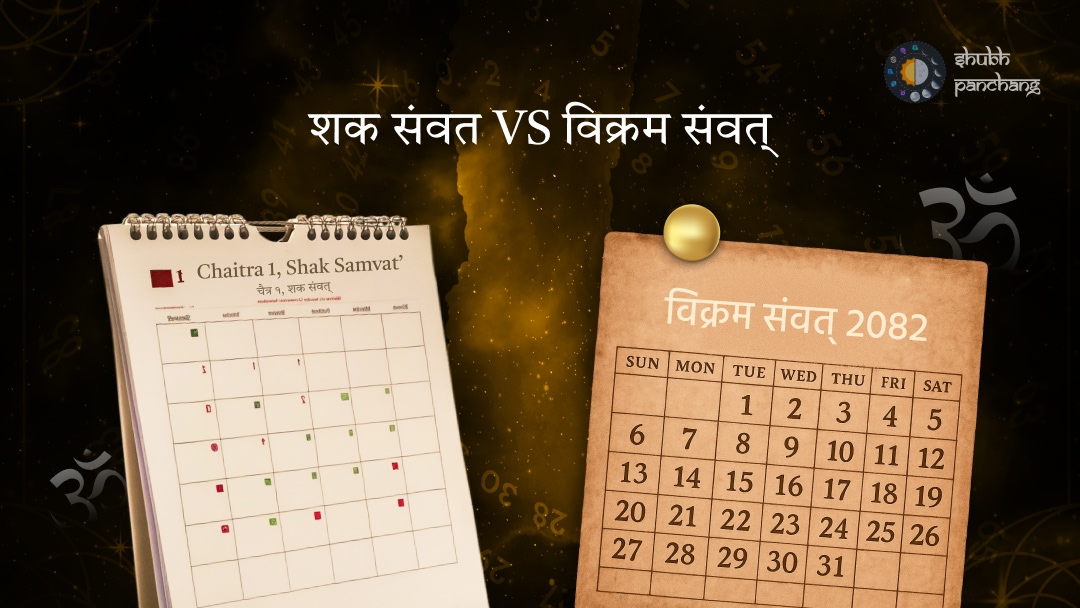
Have you ever looked at a Hindu calendar and wondered about those seemingly cryptic year numbers – like 2081 or 1946? Those aren't typos! India, with its rich tapestry of traditions, actually uses multiple calendar systems. Two of the most prominent are the Vikram Samvat and the Shak Samvat. And I've noticed after years of consulting the Panchang, a lot of people get them mixed up. Understanding the distinction is actually pivotal for correctly interpreting religious dates and auspicious timings. Let’s unravel the differences!
Vikram Samvat: A Royal Legacy?
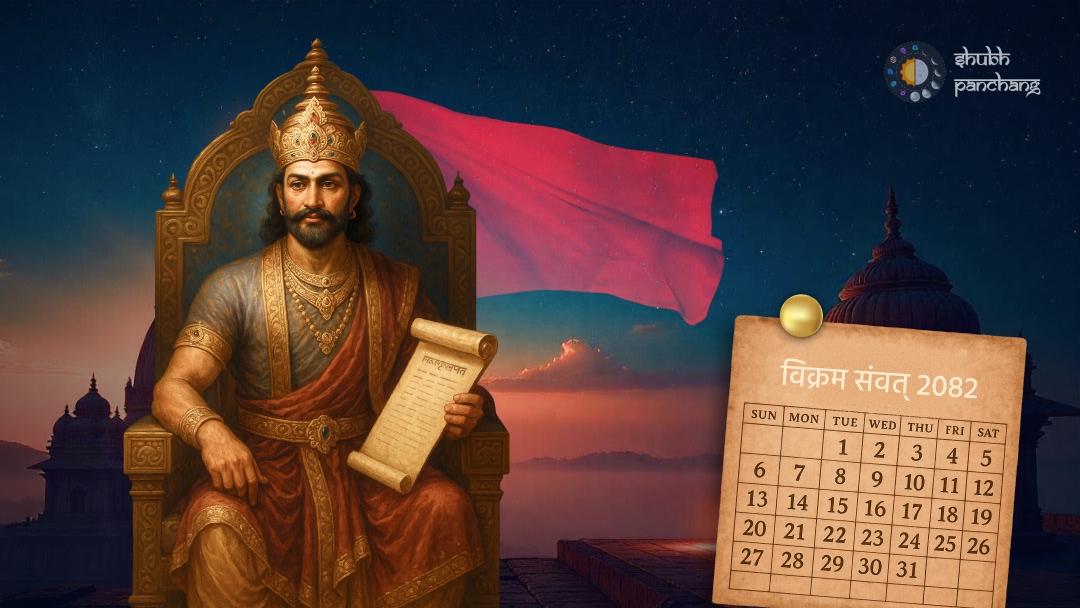
The Vikram Samvat, often associated with the legendary King Vikramaditya, is believed to have originated around 57 BCE. But here's the thing: historical evidence directly linking a specific King Vikramaditya to the calendar is still debated by historians! Initially, I thought it was a clear-cut case, but the nuances are fascinating. What's clearer is its widespread usage, especially in North and West India. Wait until you discover how much it permeates daily life there!
Shak Samvat: The Official Timekeeper
Conversely, the Shak Samvat's origins are more firmly rooted. It's widely accepted to have been started by King Kanishka of the Kushan dynasty in 78 CE. After years of practice I have observed that the Shak Samvat is recognized as the official civil calendar of India, appearing in government documents and news broadcasts alongside the Gregorian calendar. It offers a sense of national unity and a connection to a golden age of Indian history. The difference in origin is already impacting its overall usage.
Astronomical Nuances: Cycles and Synchronization
Interestingly, both calendars are lunisolar, meaning they account for both the lunar cycles and the solar year. However, their starting points and methods of intercalation (adding extra months to synchronize with the solar year) differ slightly. Vikram Samvat generally follows the 'Purnimanta' system in some regions and 'Amanta' system in others. The new month starts after the Full Moon in Purnimanta and after the New Moon in Amanta. Shak Samvat mostly begins with the month of Chaitra, aligning closely with the spring equinox, which is observed around March 22 in the Gregorian calendar.
The Math Behind the Calendars: Converting Years
Here’s a simple way to remember the year difference: Vikram Samvat is approximately 57 years ahead of the Common Era (CE or AD), while Shak Samvat is about 78 years behind. So, to convert a CE year to Vikram Samvat, add 57. To convert to Shak Samvat, subtract 78. For instance, 2024 CE is 2081 Vikram Samvat and 1946 Shak Samvat. It sounds complicated, but after a bit of practice, it becomes second nature. Believe me! After years of practice, this has become easy math.
Regional Rhythms: Where Each Calendar Thrives
Vikram Samvat reigns supreme in North and West India, especially in states like Gujarat, Rajasthan, and Uttar Pradesh. Many Hindu festivals, especially those related to regional deities and local traditions, are scheduled according to the Vikram Samvat. While the Shak Samvat has official status, its practical usage in daily life, outside of government circles, is more limited. But it’s indispensable for panchang calculations and determining the dates of national festivals.
Starting Months: A Fresh Beginning, Twice Over
Both calendars mark their new year at different times. Vikram Samvat usually commences with the month of Chaitra (March-April), coinciding with the spring equinox and the start of the Hindu new year in many regions. Shak Samvat also begins with Chaitra, but the calculations might lead to slight variations in festival dates when compared directly. If you are planning a wedding or important ceremony, be extra sure to cross-reference the dates across sources!
Panchang Power: Why the Distinction Matters
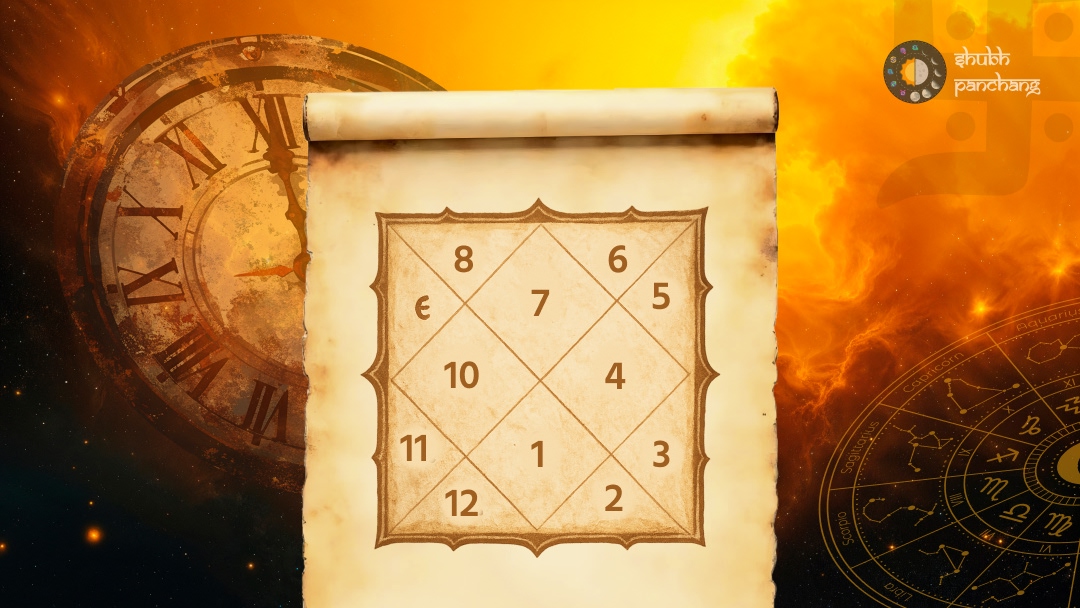
The Panchang, your cosmic GPS, relies heavily on both Vikram and Shak Samvat. Tithi (lunar day), Nakshatra (lunar mansion), Yoga, Karana – all these elements are calculated based on these calendar systems. Understanding which Samvat is being used is vital for determining auspicious timings (Muhurat) for weddings, housewarming ceremonies, and other important events. It is fascinating to observe how the ancient system and modern life connect in perfect harmony. It’s like weaving together the past and the present, ensuring our actions are in sync with the cosmos.
Embrace the Calendars: A Journey of Discovery
So, what now? Embrace the richness of India's calendrical diversity! Understanding the Vikram Samvat and Shak Samvat is more than just an academic exercise. It’s about connecting with our cultural roots, appreciating the wisdom of our ancestors, and making informed decisions based on cosmic timing. Dive into your local traditions, consult a knowledgeable astrologer, and start using the Panchang with greater awareness. It's a journey of discovery that will enrich your life in countless ways. And it's a whole lot more fun than just checking your Google Calendar!