






Overview:
Dhuleti, also known as Holi, is one of the most vibrant and widely celebrated festivals in India. It falls on the day after the full moon (Purnima) in the Hindu month of Phalguna. Known as the “Festival of Colors,” Holi is a joyful celebration of love, unity, and the victory of good over evil. People play with colors, exchange sweets, and dance to traditional music with great enthusiasm.
Mythological Story Behind Dhuleti:
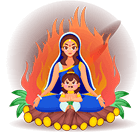
The festival has roots in ancient Hindu mythology. A popular legend behind Holi is that of the demon king Hiranyakashipu, his devout son Prahlad, and his sister Holika. Hiranyakashipu, angry at Prahlad's unwavering devotion to Lord Vishnu, tried multiple times to kill him. He ordered Holika, who had a boon to resist fire, to sit with Prahlad in flames. However, Holika was burnt to ashes while Prahlad remained unharmed, protected by his faith in Lord Vishnu.
The burning of Holika symbolizes the triumph of righteousness and is commemorated with Holika Dahan the night before Holi. The next day, Dhuleti is celebrated with colors, marking joy, rebirth, and positivity.
Why Do We Celebrate Dhuleti?
Dhuleti represents the spirit of joy, forgiveness, and new beginnings. It encourages people to let go of past grievances and embrace friendship and love. Through the playful use of colors, it promotes harmony and reminds us of the beauty of diversity and togetherness in life.
Key Traditions and Customs:
On Dhuleti, people throw colored powders (gulal) and spray water on each other in celebration.
Sweets like gujiya, thandai, and other festive dishes are prepared and shared.
Music, dance, and street celebrations are common throughout towns and cities.
A day before, Holika Dahan is performed where a bonfire is lit symbolizing the destruction of evil.
People also visit friends and relatives, exchange greetings, and strengthen social bonds.
Significance of Dhuleti:
Dhuleti is more than just a festival of colors — it is a celebration of life, renewal, and the victory of light over darkness. It fosters social unity, reconciliation, and joy. By washing away enmity and embracing loved ones, people experience peace and emotional release. It is also a time to welcome spring and let positivity flourish in our lives.