







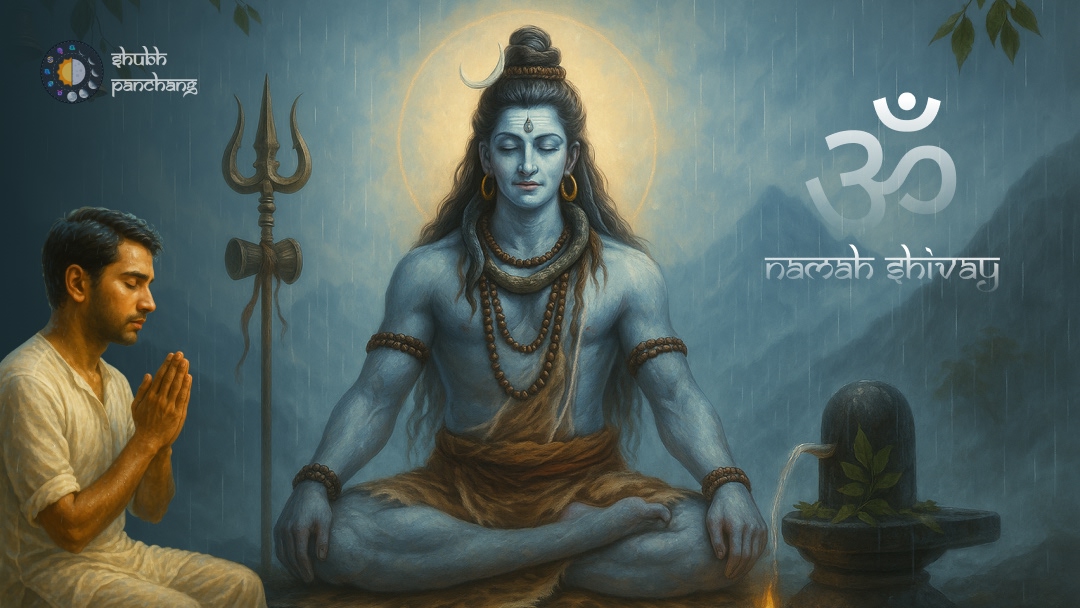
Unveiling the Sacred Shravan Month
Shravan month, also known as Sawan, holds immense significance in the Hindu calendar. After years of practice, I've noticed how deeply this month resonates with devotees. It's a time for heightened devotion, spiritual cleansing, and connecting with the divine. But what exactly makes Shravan so special? Let's dive in, shall we? Think of Shravan as a cosmic reset button – a chance to refresh your spirit.
Timing and Significance: More Than Just a Month
Shravan corresponds to the monsoon season, usually falling between July and August. The entire month is dedicated to Lord Shiva, one of the principal deities in Hinduism. Interestingly, various regional traditions and customs are associated with Shravan, but the underlying theme remains consistent: unwavering devotion to Lord Shiva. I always tell people, the Panchang is your cosmic GPS, guiding you through this auspicious period. The vibrant green landscape during Shravan mirrors the rejuvenation taking place within us.
Deeper Dive: The Spiritual Core
The Spiritual Significance: Why Shiva?
Why Lord Shiva, you might ask? Shiva represents destruction and transformation – destroying the old and paving the way for the new. During Shravan, devotees seek Shiva's blessings to eliminate negativity, overcome obstacles, and attain spiritual growth. The Shiva Lingam, a symbolic representation of Shiva, is worshipped with great reverence. Here's the thing: Shravan isn't just about rituals; it's about internalizing Shiva's qualities – detachment, compassion, and unwavering strength.
The Heart of Shravan: Rituals and Their Meanings
Rituals and Observances: A Tapestry of Devotion
Shravan is characterized by various rituals and observances, each with its unique significance. Shravan Somvar Vrats: Mondays during Shravan are considered highly auspicious and are dedicated to fasting and praying to Lord Shiva. Many observe a strict fast, consuming only milk, fruits, and certain permissible foods. The energy during these Mondays is palpable; you can almost feel the collective devotion in the air. Rudrabhishek: This is a special ritual where the Shiva Lingam is bathed with water, milk, honey, and other sacred substances while chanting Vedic mantras. I've seen firsthand the profound impact of Rudrabhishek on individuals seeking healing and spiritual upliftment. Visiting Shiva Temples: Devotees flock to Shiva temples to offer prayers, perform abhishekams, and seek blessings. The atmosphere in these temples is charged with devotion, creating a powerful spiritual experience. Kanwar Yatra: This is a pilgrimage undertaken by devotees (Kanwariyas) who travel to sacred places like Haridwar to fetch water from the Ganges River and offer it to Lord Shiva. The sheer dedication and faith of the Kanwariyas is truly inspiring. And of course, chanting mantras like 'Om Namah Shivaya' is a constant throughout the month.
Fueling the Spirit: The Role of Diet
Dietary Practices: Nourishing the Body and Soul
Diet plays a crucial role during Shravan. Many people abstain from non-vegetarian food and alcohol. It’s believed that this purification of the body enhances spiritual receptivity. Interestingly, specific vegetables are also avoided by some communities, varying from region to region. The focus is on consuming light, easily digestible foods that promote mental clarity and physical well-being. I've personally found that consciously choosing sattvic foods during Shravan significantly enhances my meditation practice.
Making it Personal: Daily Practices
Personal and Religious Practices: Integrating Shravan into Daily Life
Shravan is not just about grand rituals; it's about integrating spiritual practices into your daily life. Here's how you can observe Shravan for personal growth: Daily Prayers and Meditation: Dedicate time each day for prayer and meditation. Even 15-20 minutes can make a difference. Self-Reflection: Use this time to introspect and identify areas where you can improve yourself. Acts of Kindness: Engage in selfless service and help those in need. This is a powerful way to connect with the divine. Studying Scriptures: Read religious texts and learn about the teachings of Lord Shiva. But what if I told you that even simple acts like offering water to a plant with intention can be a powerful Shravan practice?
A Global Month: Regional Customs
Regional Variations: A Kaleidoscope of Traditions
Shravan is celebrated differently across India, showcasing the country's rich cultural diversity. In some regions, special fairs and festivals are organized. In others, specific deities are worshipped alongside Lord Shiva. For instance, in some parts of Maharashtra, Mangala Gauri Vrat is observed by married women for marital bliss. The beauty of Hinduism lies in its adaptability and inclusivity, allowing devotees to connect with the divine in ways that resonate with their local traditions. It’s fascinating to see how the core essence of Shravan remains the same, even with these variations.
Embrace the Essence of Shravan
Shravan month offers a unique opportunity to deepen your spiritual connection, purify your mind and body, and experience the transformative power of devotion. By understanding the significance of Shravan and incorporating its rituals and practices into your life, you can unlock inner peace and achieve spiritual growth. So, embrace the spirit of Shravan, immerse yourself in devotion, and witness the positive changes it brings to your life. The journey inwards, guided by the wisdom of Shravan, is truly rewarding. This Shravan, let's not just go through the motions; let's truly live the devotion. Consider this your personal invitation to a month-long spiritual adventure!


